 VetBac
 Veterinary culture and sensitivity turnaround time: why results take 2-7 days
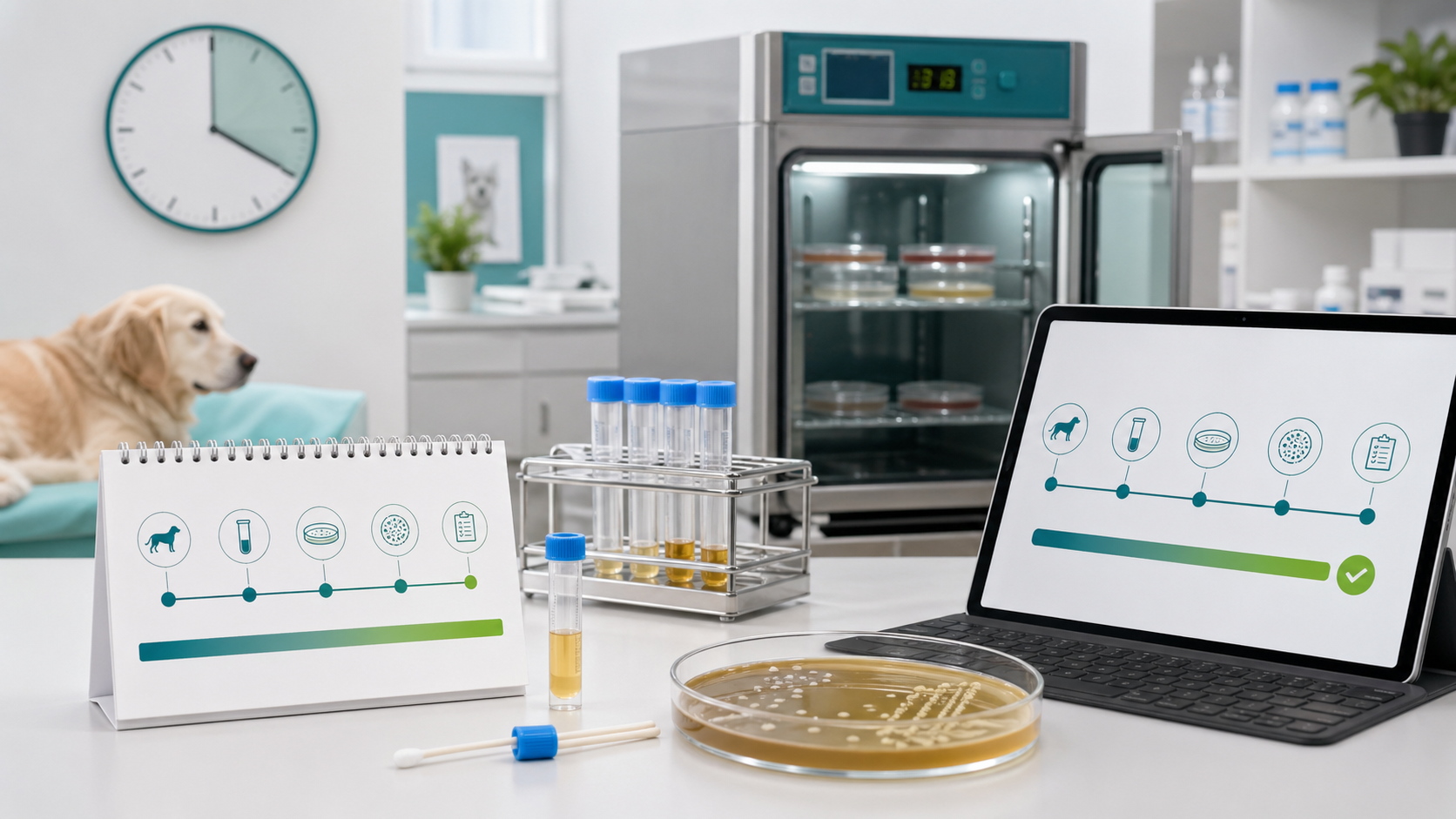
Culture and antimicrobial sensitivity testing are two of the most useful tools for moving from empirical antibiotic treatment to targeted care. The challenge is timing.
In many small-animal clinics, a sample is collected during the appointment, packaged, sent to an external laboratory, processed, interpreted, and then returned to the clinician. Even when the lab performs the work efficiently, the practical turnaround of 2–7 days can feel long because the patient, owner, and veterinarian are already waiting for a decision.
The honest answer is that veterinary culture and sensitivity turnaround time depends on shipping logistics, the laboratory schedule (closed on weekends), and whether additional identification or susceptibility work is needed. For common basic (fastidious) bacteria, the microbiology step may fit into a two-day lab workflow after the sample is received. In real clinical practice, shipping, weekends, holidays, result review, and client communication can extend the time before the treatment decision changes.
Why culture takes time
Culture is not just a machine result. First, the lab needs to grow viable organisms and their incubation usually takes around 16–24h. Once colonies are present, the isolated species must be identified (primarily by MALDI-TOF) before susceptibility testing can be performed properly. AST then requires its own standardized setup, 16–20h of incubation, reading, and interpretation.
The 2023 One Health Advances review on veterinary AST explains why this standardization matters. Media, inoculum, incubation conditions, quality controls, and interpretive criteria can all affect results. A faster result is only useful if the method remains valid and the interpretation remains clinically meaningful.
That is the central tradeoff: the clinic wants speed, but the result still has to be trustworthy.
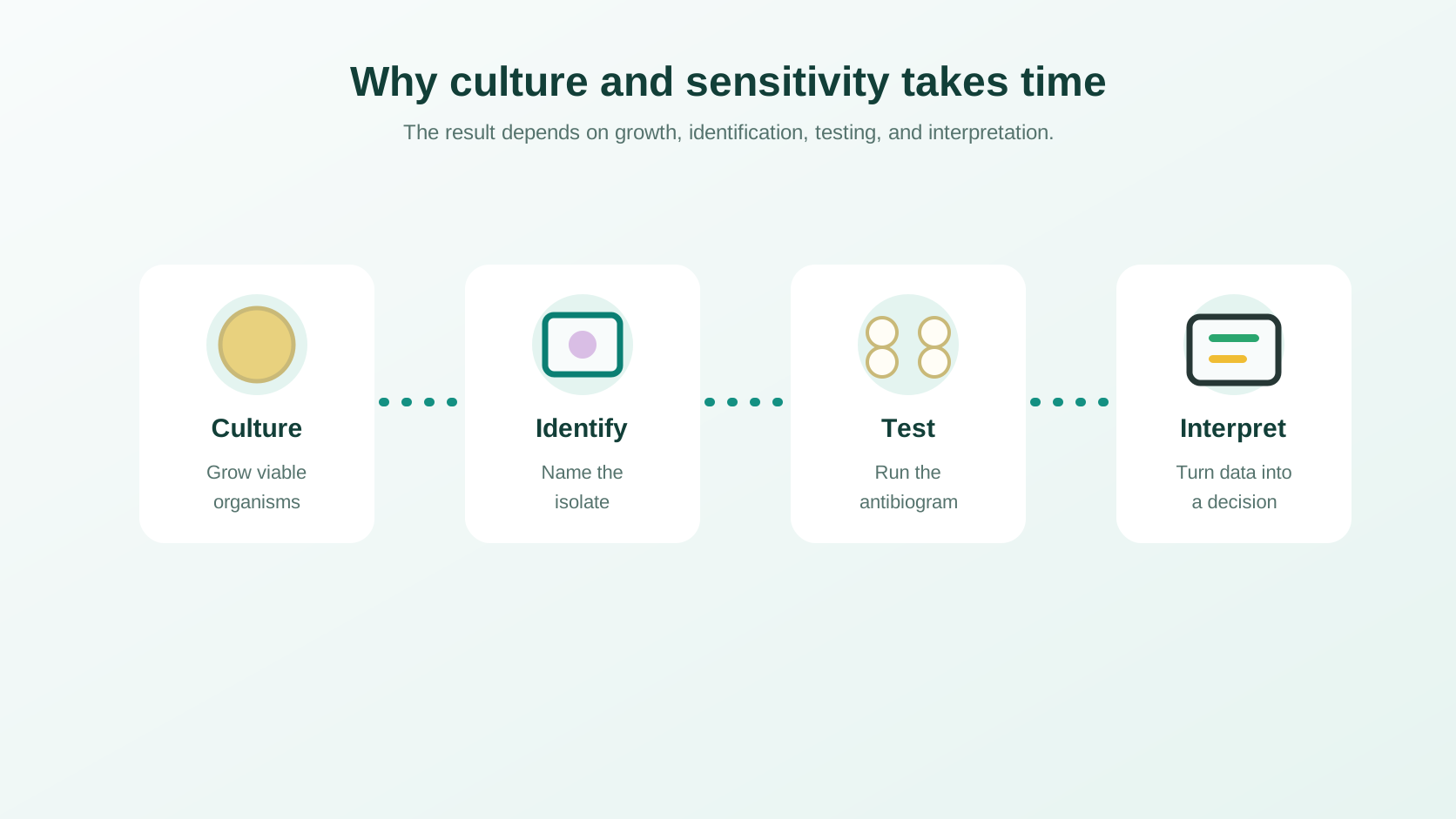 Figure 1. Culture and sensitivity testing takes time because the result depends on growth, identification, susceptibility testing, and clinical interpretation.
What slows the result down outside the lab?
Several steps can delay a veterinarian's action on the result: late sample collection, courier pickup timing, long or weekend shipping, clinical interpretation, and owner communication before changing therapy.
For the clinic team, these delays are not abstract. They affect whether the patient is started empirically, whether treatment is delayed, whether the owner becomes frustrated, and whether a second visit or medication change becomes necessary.
Why turnaround time changes prescribing behavior
If culture and susceptibility results arrive after several days, the clinician often has to decide before the results are available. That can lead to one of three patterns.
First, the clinic may start empirical antibiotics and adjust later if needed. This can be reasonable in selected cases, but it risks a mismatch if the pathogen is resistant or if antibiotics were not indicated.
Second, the clinic may delay treatment while waiting for results. That can be appropriate in non-urgent cases, but harder when clinical signs are uncomfortable, progressive, or owner pressure is high.
Third, the clinic may avoid culture and sensitivity testing altogether because the result feels too slow to influence the immediate decision. This is the gap that matters most for stewardship.
The 2022 AAFP/AAHA Antimicrobial Stewardship Guidelines encourage practical, evidence-based antimicrobial decisions in companion-animal practice. Diagnostics support that goal, but only when they fit the workflow closely enough to be used.
The difference between lab time and decision time
When clinics talk about turnaround time, they usually mean decision time, not just lab time.
Lab time, typically 2 days, is the interval needed to grow, identify, test, and report. Decision time, typically up to 7 days, is the interval between sample collection and a changed or confirmed treatment plan. Decision time includes logistics, staff handoffs, owner communication, and whether the result is easy to interpret.
This distinction matters for clinic communication. A page that simply says "results in X days" may answer the surface question, but the real clinical question is: when will I have useful information that can change what I prescribe?
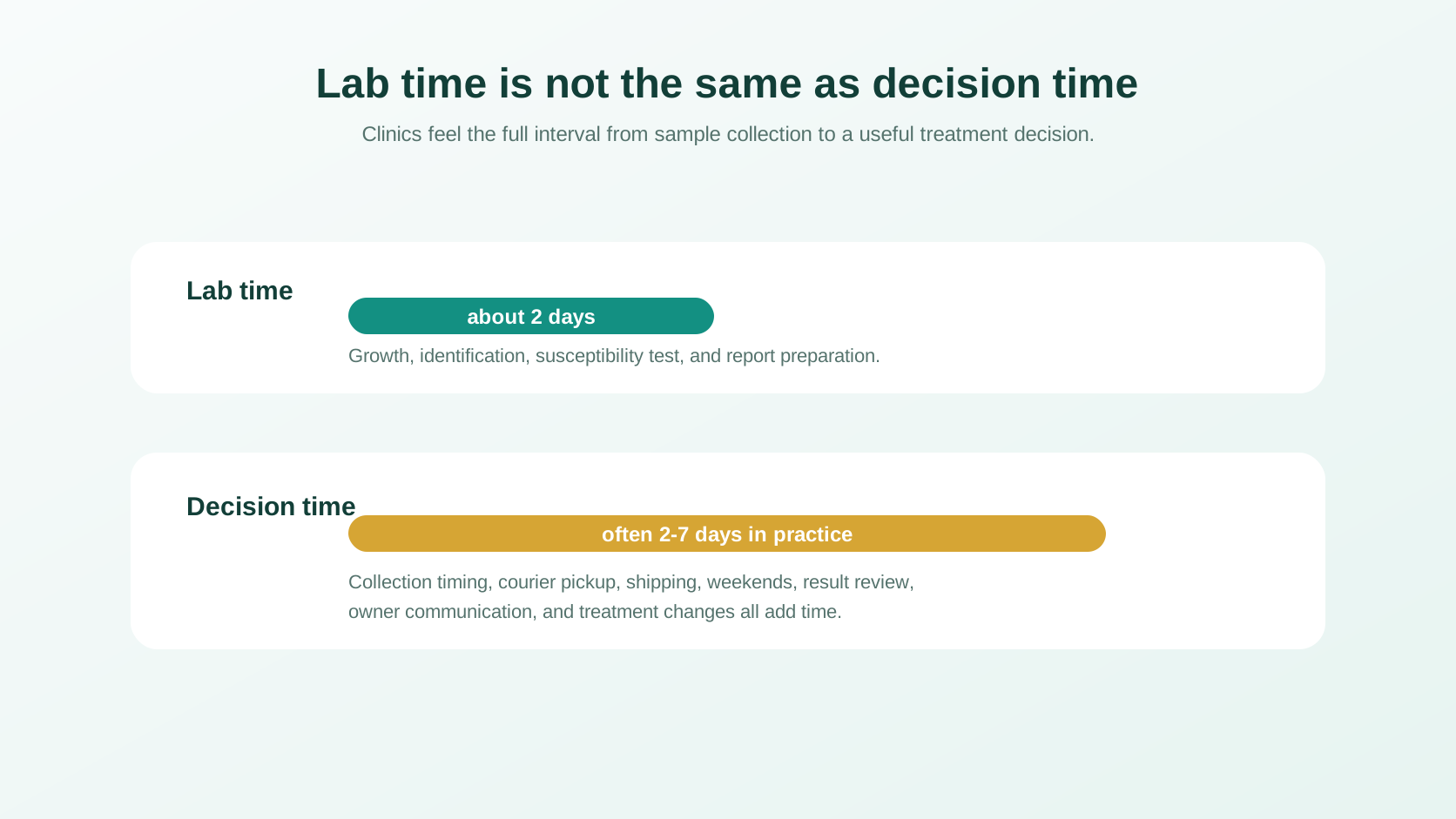 Figure 2. Clinics experience the full decision time, not only the laboratory processing time.
Where next-day in-clinic testing fits
An in-clinic next-day antibiogram workflow is valuable because it compresses the distance between sample collection and treatment decision. The sample does not need to move through a send-out chain before the clinic sees actionable susceptibility information.
For common small-animal use cases such as skin, ear, and urinary infections, that timing can matter. A veterinarian may still choose empirical therapy when immediate treatment is necessary, but faster AST can reduce the period of uncertainty and enable earlier adjustment. For more detail on which canine cases benefit most, see our guide on culture and sensitivity testing in dogs.
It can also change the conversation with owners. Instead of saying, "We may need several days before we know more," the clinic can explain that testing is being run in-house and that susceptibility guidance may be available by the morning of the next day, depending on the case and workflow.
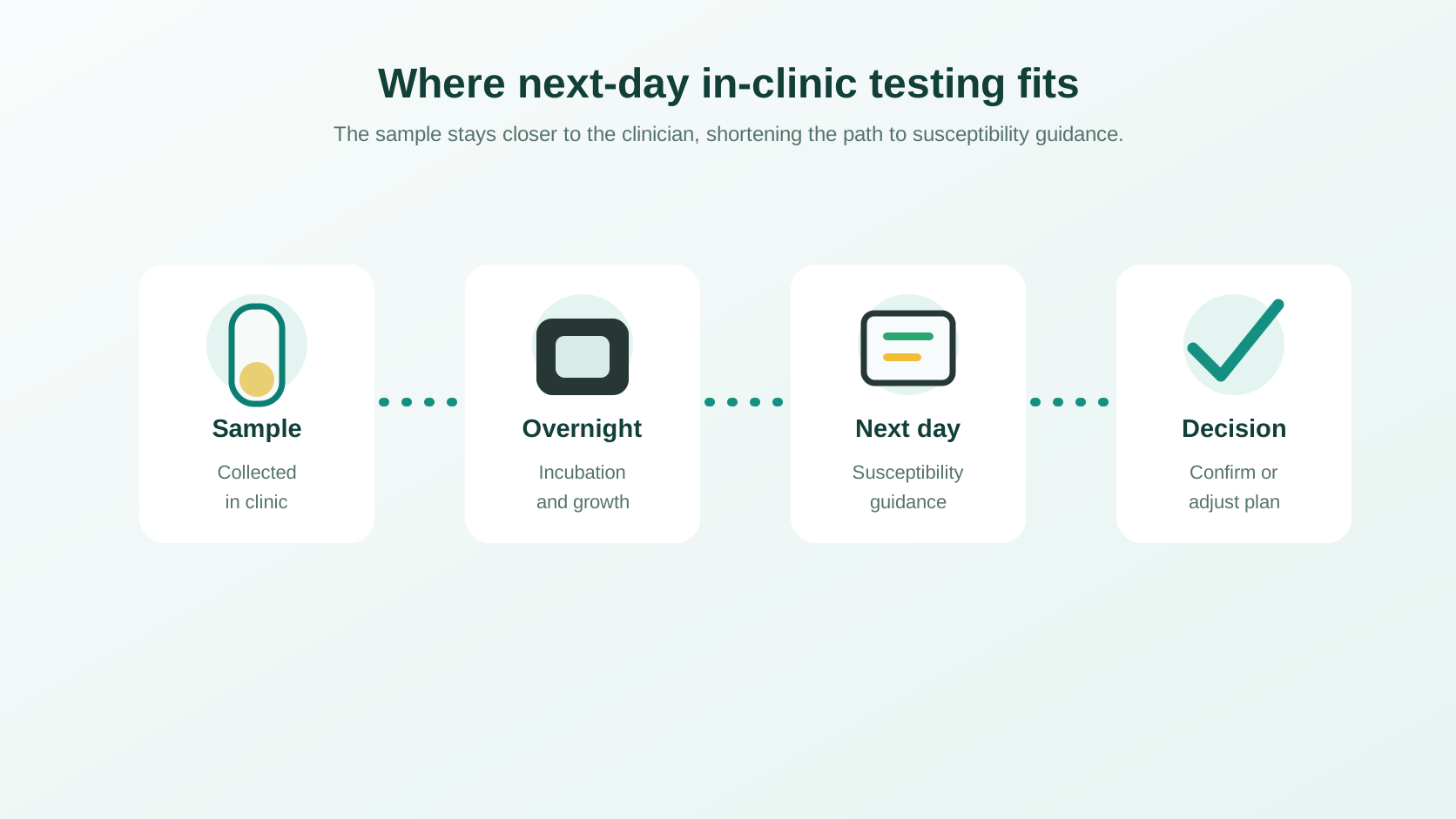 Figure 3. In-clinic testing keeps the sample, overnight growth, susceptibility guidance, and treatment decision closer together.
When speed is not enough
Speed should not be the only selling point. A rapid but poorly controlled test can create false confidence. A susceptibility result still needs appropriate sample collection, adequate bacterial growth, standardized testing conditions, quality control, correct interpretation, and clinical context.
VetBac's quality control process and reliability overview show that next-day testing must be paired with method discipline. The goal is not simply to be faster than an external lab. The goal is to make susceptibility-guided decisions practical without abandoning microbiology standards.
How to explain timing to clients
A simple owner-facing explanation can help reduce pressure for immediate empirical antibiotics:
"We can often make a first plan from the exam and initial diagnostics, but culture and sensitivity testing tells us which bacteria are present and which antibiotics are most likely to work. That helps us avoid guessing, especially if the infection is recurrent or has not responded before."
For in-clinic next-day testing, the explanation can become:
"We can start the test here today and use the result to guide the treatment plan sooner, rather than waiting several days for send-out testing in every case."
That message supports stewardship without sounding like delay for delay's sake.
Practical checklist for clinics
When reviewing your culture and sensitivity workflow, ask:
- How long does it take from sample collection to result review?
- How often do results arrive after treatment has already been chosen?
- Which infection types most often lead to empirical prescribing?
- Which cases most often require a medication change after results return?
- Could a next-day in-clinic workflow change those decisions?
- Are reports easy enough for busy clinicians to interpret quickly?
The best workflow is not just the fastest. It is the workflow that produces useful, trusted results early enough to influence care.
Bottom line
Veterinary culture and sensitivity testing can take long enough that clinicians often have to make antibiotic decisions before results return. That delay is one reason empirical prescribing remains common in small-animal practice.
Next-day in-clinic antibiogram testing can narrow that gap. When paired with quality control, clear reporting, and clinical interpretation, it gives clinics a more practical way to use susceptibility data while the case is still active. For a broader overview of when antibiogram testing adds value, see veterinary antibiogram testing: what it is and when to use it.
Clinics evaluating whether that workflow fits their caseload can review VetBac pricing and package options or subscribe to the VetBac veterinary antimicrobial stewardship newsletter for practical updates on culture, susceptibility testing, and stewardship.
Frequently asked questions
How long does culture and sensitivity testing take in veterinary practice?
In many routine veterinary workflows, the full decision time is commonly 2-7 days because it includes sample collection, shipping, laboratory processing, reporting, clinical review, and client communication. The microbiology step itself may be shorter than the time the clinic experiences.
How long does susceptibility testing take once bacteria are growing?
Standard antimicrobial susceptibility testing usually needs a standardized setup and another incubation period before zones or growth endpoints can be read and interpreted. For disc diffusion workflows, that incubation is commonly overnight.
Why can the result take longer than the laboratory processing time?
Shipping schedules, weekends, holidays, batching, follow-up identification, report review, and owner communication can all add time between the appointment and the treatment decision.
Can next-day in-clinic testing replace every send-out culture?
No. In-clinic testing is best viewed as a workflow for selected routine cases where faster susceptibility guidance can change the clinical decision. Complex, unusual, referral, or method-sensitive cases may still need external laboratory support.
Sources
Explore More Veterinary Insights
Ready to improve your antibiogram testing?
Get overnight results with clear, actionable reports.
Book a demo