 VetBac
 Culture and sensitivity testing in dogs: skin, ear, and UTI use cases
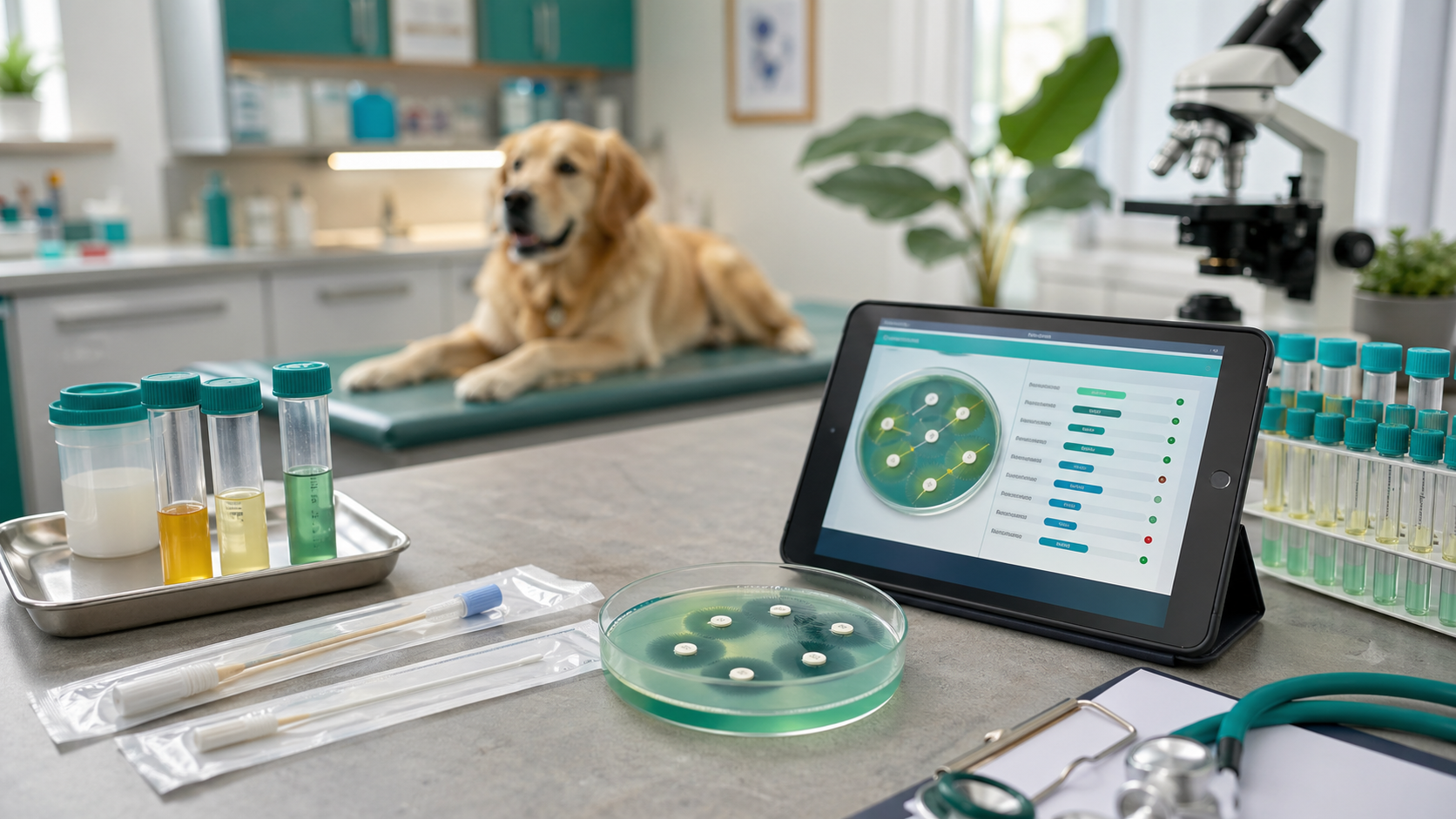
Culture and sensitivity testing in dogs is most useful when the results help the veterinarian make a better, more targeted antibiotic decision than empirical prescribing alone.
That sounds simple, but the real clinic decision is often messy. A dog has already received antibiotics. The owner wants relief quickly. Cytology suggests bacterial infection, but the likely pathogen remains uncertain. A previous treatment did not work. The clinician is weighing whether to use a broader drug, refer, wait, or run another diagnostic test.
In those moments, culture and antimicrobial susceptibility testing can change the quality of the decision. It can confirm whether bacterial growth is present, identify the organism, and show which antimicrobials are likely to inhibit it in vitro.
It does not make the choice automatically. The veterinarian still has to consider the site of infection, drug penetration, patient history, topical versus systemic therapy, safety, dosing, owner constraints, and antimicrobial stewardship principles.
What culture and sensitivity testing tells you
Culture answers the first microbiology question: what is growing from the sample? This is especially relevant in urinary cases, where clinical signs, sediment findings, or history do not always reliably confirm a true bacterial infection. Culture helps distinguish suspected infection from cases in which no clinically significant bacterial growth is present, which is particularly important in cats and remains highly relevant in dogs.
Sensitivity testing ("antibiogram"), more accurately called antimicrobial susceptibility testing, answers the next question: how does the bacterial isolate respond to selected antimicrobial agents under standardized conditions?
The report may categorize options as susceptible, susceptible under increased exposure ("intermediate"), or resistant. Those categories are only meaningful when the test is performed and interpreted using appropriate methods and criteria. The One Health Advances review on veterinary AST is clear on this point: veterinary susceptibility testing requires standardized methodology, quality controls, and appropriate interpretive criteria.
For a busy small-animal clinic, the practical takeaway is this: a culture and sensitivity report should support clinical decisions, not replace them.
When to consider testing in dogs
Culture and sensitivity testing is especially useful in dogs when infection is recurrent, severe or deep, empirical therapy has failed, there has been recent antimicrobial exposure, resistant bacteria are plausible, cytology suggests rods or mixed infection, Pseudomonas is suspected, or broad-spectrum antimicrobials are being considered. In urinary cases, testing is also valuable more broadly, because culture helps confirm whether a clinically significant bacterial infection is actually present before antibiotic treatment is chosen.
Testing is less useful when the result will not change management, when bacterial infection is unlikely, or when sampling quality is poor.
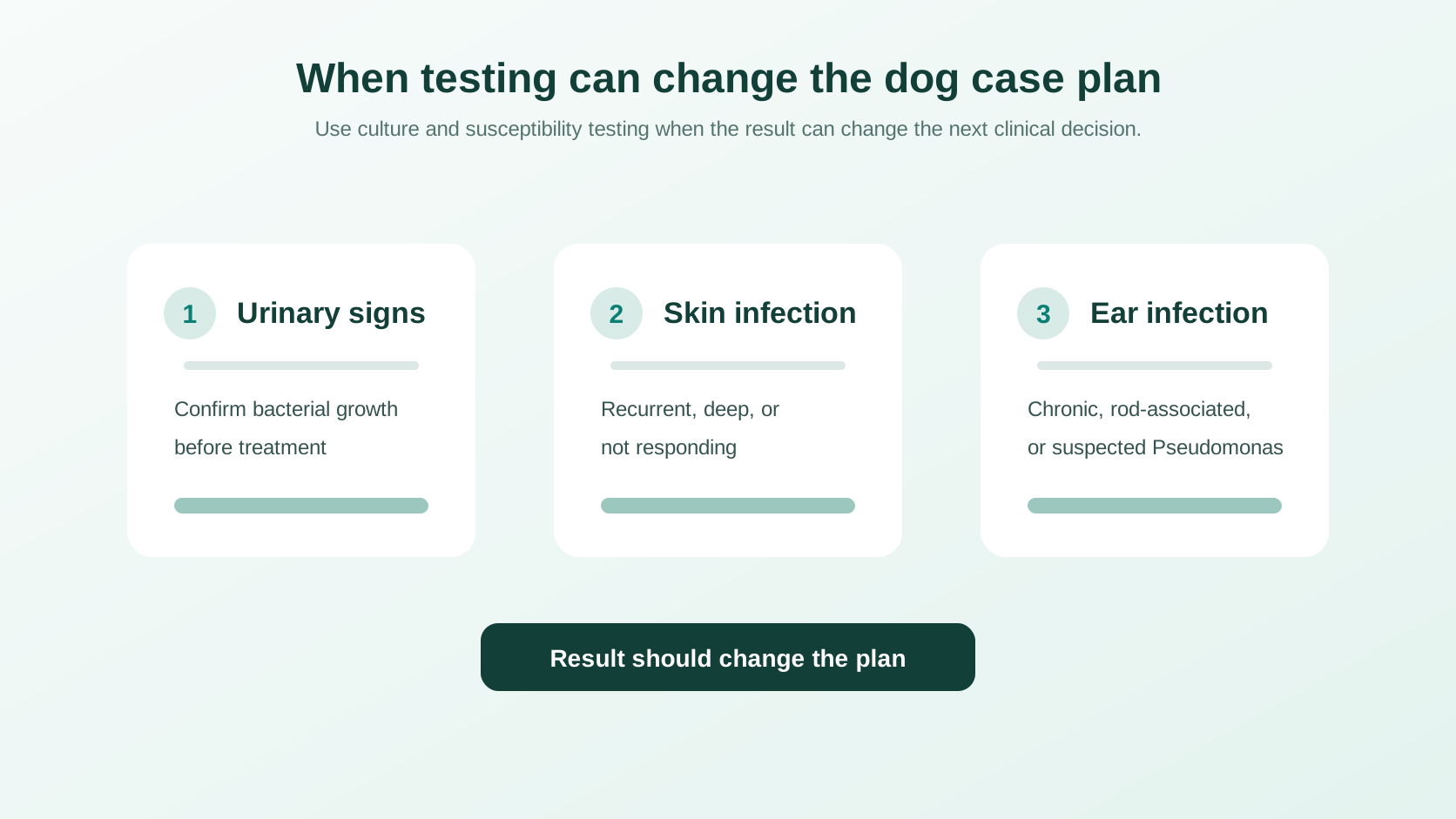 Figure 1. Culture and sensitivity testing is most useful when the result can change a real clinical decision, especially in urinary, recurrent skin, and chronic ear cases.
Urinary infections in dogs
Urinary cases are a strong fit for culture and susceptibility testing because culture can confirm bacterial infection, and susceptibility can guide therapy when antimicrobial treatment is indicated.
The ISCAID urinary tract infection guidelines for dogs and cats emphasize culture and susceptibility testing in important scenarios, including suspected upper urinary tract infection. Recent studies of canine urinary samples also show that UTIs can involve varied organisms and that empirical treatment without susceptibility testing remains common.
For clinics, the question is often practical: should the dog be treated now, should the clinic wait for results, or should an initial plan be adjusted once susceptibility data is available?
A faster workflow helps because it shortens the time between suspicion and a more targeted plan.
Skin infections in dogs
Canine skin infections are common, but they are not all the same. Superficial pyoderma, deep pyoderma, wounds, abscesses, and chronic dermatologic disease all carry different diagnostic and treatment implications.
Culture and sensitivity testing becomes more important when infection is recurrent, deep, non-responsive, or when antimicrobial resistance is a concern. It can help avoid repeated courses of empirical antibiotics and can support a more focused treatment plan.
Recent open literature on canine skin and ear infections continues to report antimicrobial resistance concerns, including multidrug-resistant isolates in some settings. That does not mean every uncomplicated skin case needs antibiotics or culture on day one. It means clinics should have a clear threshold for testing before escalating therapy.
Ear infections in dogs
Otitis externa is one of the clearest examples of why culture and sensitivity testing must be interpreted carefully.
Many ear cases are driven by allergy, anatomy, moisture, chronic inflammation, yeast, bacteria, biofilm, or inadequate cleaning. Cytology is usually an essential first step because it helps distinguish cocci, rods, yeast, and inflammatory patterns.
Culture and susceptibility testing are most useful in chronic, recurrent, severe, or non-responsive bacterial otitis, especially when rods are seen on cytology, or Pseudomonas is suspected. Recent studies of canine otitis externa highlight clinically relevant bacterial pathogens and resistance patterns, including Staphylococcus pseudintermedius, Staphylococcus aureus, and Pseudomonas aeruginosa.
The key nuance: AST results are not a simple topical ear-drop selector. Standard susceptibility testing is often built around systemic interpretive assumptions. Topical therapy may reach local concentrations that differ from systemic expectations. The result still helps, but it should be read alongside cytology, otoscopy, ear canal condition, product formulation, and clinical response.
How culture results can change the plan
A culture and sensitivity result can influence the case in several ways.
It may confirm the need for antimicrobial treatment. It may suggest that a narrower or first-line option is appropriate. It may show that a previous empirical choice was unlikely to work. It may support avoiding a broader drug when a more stewardship-aligned option is available. It may also prompt the clinician to look for underlying factors if the result does not fit the clinical picture.
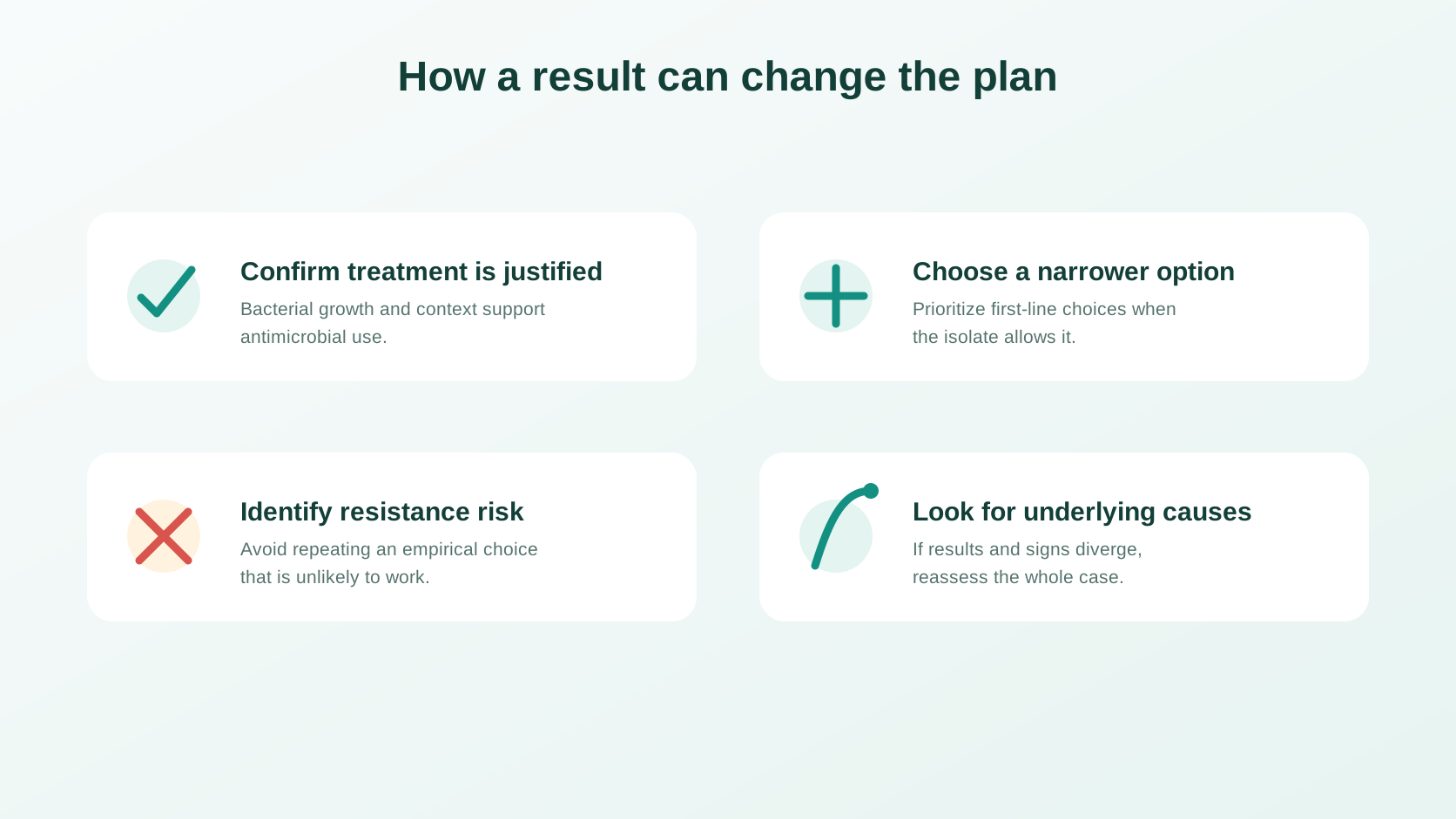 Figure 2. A useful culture and sensitivity result should clarify the next clinical step, not simply add another lab document to the case file.
The most useful reports do not simply list every possible antibiotic. Cascade-style reporting can help by prioritizing first-line choices and reducing pressure to choose broader antimicrobials unnecessarily.
How VetBac fits the canine clinic workflow
The main barrier to culture and sensitivity testing is not only knowledge. It is workflow.
If testing is slow, expensive, or disconnected from the appointment, clinics may reserve it for late-stage cases. By then, the dog may already have received multiple empirical treatments.
VetBac is designed to make susceptibility-guided decisions more practical earlier in the process. With in-clinic next-day antibiogram testing, the team can collect the sample, run the workflow locally, and receive clearer susceptibility guidance sooner than a typical send-out path. To understand how we validate every batch, see our quality control process and reliability overview. For a broader overview of when antibiogram testing adds value beyond canine cases, see veterinary antibiogram testing: what it is and when to use it.
For canine urinary, skin, and ear infections, this timing can help the veterinarian reduce guesswork while the case is still active.
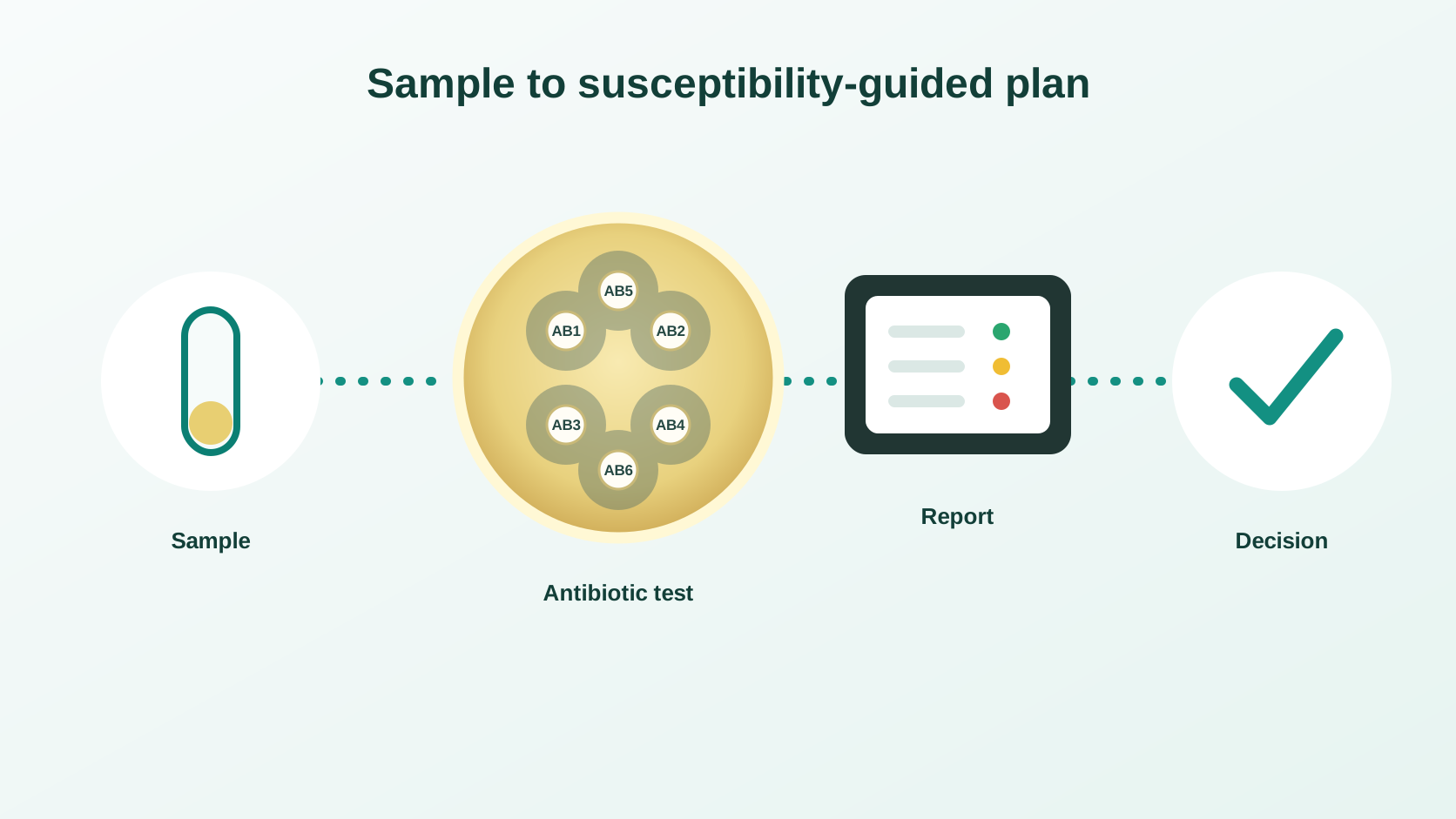 Figure 3. Sample → Antibiotic test → Report → Decision.
Practical checklist for dog cases
Consider culture and sensitivity testing when:
- A urinary infection is suspected, and the clinic wants to confirm whether a clinically significant bacterial infection is actually present before prescribing antibiotics.
- The infection is recurrent or chronic.
- The dog has already received antibiotics.
- The first treatment did not work as expected.
- Cytology shows rods or mixed bacteria.
- Pseudomonas or multidrug resistance is plausible.
- A broad-spectrum antimicrobial is being considered.
- The owner needs a clear explanation for why testing matters.
Do not treat the report as a prescription by itself. Treat it as better evidence for the decision.
Bottom line
Culture and sensitivity testing in dogs is most impactful when it moves the clinic from trial-and-error prescribing toward a more targeted, documented, stewardship-aligned plan.
For routine small-animal practice, the highest-value canine use cases are recurrent or non-responsive skin infections, chronic or rod-associated otitis, and urinary infections where susceptibility data can change antimicrobial choice.
VetBac makes that workflow more practical by bringing next-day antibiogram testing into the clinic, supported by clear reporting and microbiology expertise.
Clinics considering in-clinic testing for recurrent canine skin, ear, and urinary cases can review VetBac pricing and package options or subscribe to the VetBac veterinary antimicrobial stewardship newsletter for practical updates.
Frequently asked questions
When should a dog have culture and sensitivity testing?
Testing is most useful when the result can change the treatment plan. Common triggers include recurrent infection, non-response to empirical treatment, recent antibiotic exposure, suspected resistance, rods on cytology, urinary infection questions, or consideration of broader antimicrobials.
Is culture and sensitivity useful for dog ear infections?
It can be useful in chronic, recurrent, severe, or non-responsive bacterial otitis, especially when rods or Pseudomonas are suspected. The result still needs clinical context because topical ear therapy may not map directly to systemic susceptibility assumptions.
Is culture and sensitivity useful for urinary infections in dogs?
Yes, urinary cases are often a strong fit because culture helps confirm clinically significant bacterial growth and susceptibility testing can guide antimicrobial choice when treatment is indicated.
Does a culture and sensitivity report choose the antibiotic automatically?
No. The report supports the decision, but the veterinarian still considers infection site, cytology, patient history, drug penetration, topical versus systemic therapy, safety, dosing, owner constraints, and stewardship principles.
Sources
- Fessler et al., Antimicrobial susceptibility testing in veterinary medicine: performance, interpretation of results, best practices and pitfalls, One Health Advances, 2023.
- 2022 AAFP/AAHA Antimicrobial Stewardship Guidelines
- ISCAID urinary tract infection guidelines
- Canine and feline UTI susceptibility study
- Canine otitis externa resistance patterns
- Canine skin and ear infection resistance patterns
Explore More Veterinary Insights
Ready to improve your antibiogram testing?
Get overnight results with clear, actionable reports.
Book a demo